
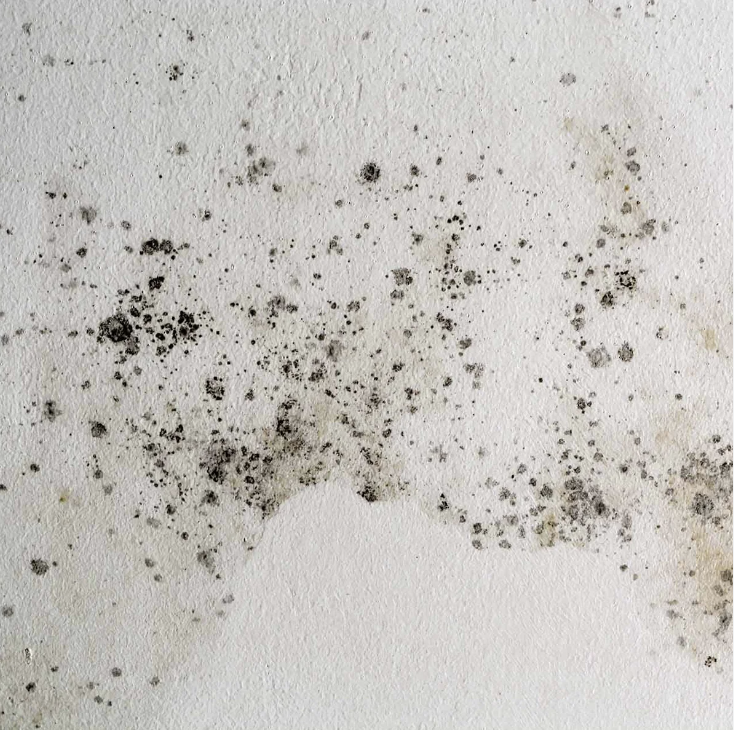
What is toxic mold ?
Mold is a type of fungus and there are more than 300 type of mold known in existence. Some molds are normal in our environment and are not generally a health concern, while other molds are even safe to eat like the mold found in blue cheese for example. But some molds can be highly toxic to our health and are associated and known to cause health issues including chronic illness, permanent organ damage, and can even lead to death.
Out of these 300 molds, only a couple dozen types of molds are known to impact your health. These molds are found in our home environment and usually begin due to water damage, previous water damage, or overall humid conditions in the home over time.
Mold spores are microscopic and the toxic type releases toxic poisons into the air called mycotoxins. These mycotoxins are known to lower your immune function and can be highly damaging to your health. They are even associated with specific organ damage and health conditions,they are invisible, odorless, and highly toxic.
Each mold may release several mycotoxins so for example if you have one mold it may release three mycotoxins or up to 5.
In addition to mycotoxins mold spores have been known to get into the body and colonize tissues pumping out mycotoxins into the blood, body, lungs. and sinuses. So this is the reason mold in your home can be so destructive to your health since some molds can not only act as a pathogen but also a poison factory in your body.
In addition to poisoning your body on a continual basis by breathing in spores and mycotoxins, mold mycotoxins lower immune function. For this reason mold toxicity compounds weaker areas in your body that you may already have an issue. So while your body is trying hard to fight off breathing in poison, killing mold spores that are inhaled and get in through your skin, any already chronic issues can get worse.
Main areas that may be affected by mold are the brain, liver, lungs, sinuses, and kidneys.
One Parkinson’s patient of Dr. Jill Crista was struggling with Parkisons and dementia symptoms and black mold (stachybotrys) was discovered to be colonizing in the patients sinuses pumping out mycotoxins into the patients brain.
The patient was treated and sinuses were treated and the Patient fully recovered and no longer had any symptoms of Parkinson’s or dementia after treatment.
This is how destructive mold can be and how important it is to find it as early as possible in your journey to recover your health because untreated it may just continue to get worse.
Many Lyme doctors after treating Lyme patients for decades are just now realizing the relationship of mold to Lyme. The symptoms are largely the same and many have found that after treating mold and removing the patient from the mold environment, symptoms either disappear or can more successfully be treated.
What are the symptoms of mold illness ?
Since toxic mold can be both a poison and act like a pathogen in the body it’s sometimes difficult to pinpoint specific symptoms to mold. The WHO calls mold illness “the great masquerader” as it masquerades as many other illnesses.
If you consider that immune compromised people have a very fragile system this is essentially one of the things mold can do to your body. Having lowered immune function means you may have more serious or chronic illness piling up and various symptoms that seem unrelated that get worse for a while then seem to get a bit better but never resolve. With enough exposure over time, more symptoms seem to gather and although you may have temporary relief, the illness seems to get worse over time.
Lowered immune function means your body can not fight off infection and diseases don’t go away as easily as before.
In connecting with over 60 people with mold illness I’ve found a few common symptoms and a common tempo of mold illness. I call this “health whack -a-mole !
There is a game in arcades I used to play where you are given a hammer and there is a bunch of moles that pop up one after another and your goal is to whack it with the hammer ! As soon as you whack one mole then the next one comes up then another and another until you are whacking and whacking the moles and there is never ending supply of moles. This is how the later stages of mold illness feels. One issue after another. 20 symptoms or more.
These are some common symptoms of mold illness but since there are several types of mold some having affinity for different organs you may have some or few or none of these symptoms and still have mold illness. Also mold illness has been implicated in several severe illnesses including cancer, Parkinson’s, Lung diseases like aspergillosis, thyroid issues, and psychosis.
But the symptoms that may appear earlier are :
For more on how Mold feels, take a look at my blog post here.
This is the heading
Lorem ipsum dolor sit amet, consectetur adipiscing elit. Ut elit tellus, luctus nec ullamcorper mattis, pulvinar dapibus leo.
Hi, this is a comment.
To get started with moderating, editing, and deleting comments, please visit the Comments screen in the dashboard.
Commenter avatars come from Gravatar.